I.Base Origin Information:
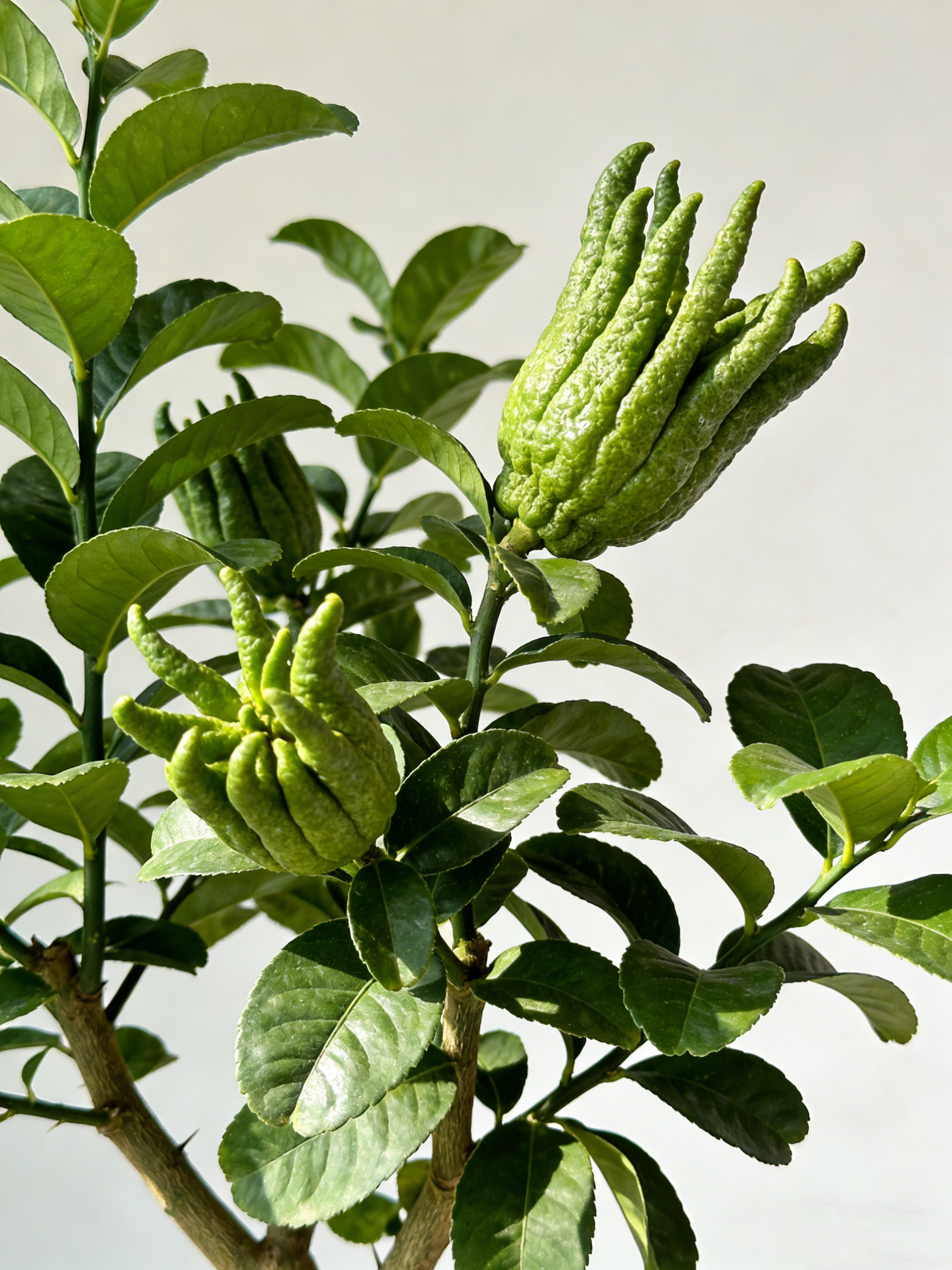
Finger Citron, with the Latin name CITRI SARCODACTYLIS FRUCTUS, is the dried fruit of the Rutaceae plant Citrus medica L. var. sarcodactylis Swingle. This uniquely shaped citrus fruit is named for its fingertip-like splits at the apex, which resemble the varied gestures of a Buddha's hand—a symbol of auspiciousness and beauty in traditional Chinese culture. As a prized food-medicine dual-use substance, Finger Citron has been widely used in medicine since the Song Dynasty. The Compendium of Materia Medica praises its ability to "regulate qi, soothe the liver, harmonize the stomach, and resolve phlegm." With its elegant and long-lasting fragrance, it is valued not only for ornamental and aromatic purposes but also as an excellent medicine for regulating qi, resolving phlegm, soothing the liver, and harmonizing the stomach.
Today, we’ve infused this thousand-year-old tradition of medicinal food wisdom into our Chinese herbal bath tea bag.Let Citri Sarcodactylis Fructus’ gentle fragrance and timeless benefits envelop you with every bath.Visit our official site today, and begin your journey to true harmony of body and mind.
II. Authentic Production Area:
The main producing areas of Finger Citron in China include Sichuan, Guangdong, Guangxi, Yunnan, and other regions. Among them, the most authentic products come from Hejiang in Sichuan, as well as Zhaoqing and Guangning in Guangdong, which are respectively known as "Chuan Foshou" (Sichuan Finger Citron) and "Guang Foshou" (Guangdong Finger Citron). Leveraging unique geographical and climatic conditions alongside meticulous cultivation management, these regions produce Finger Citron of excellent quality:
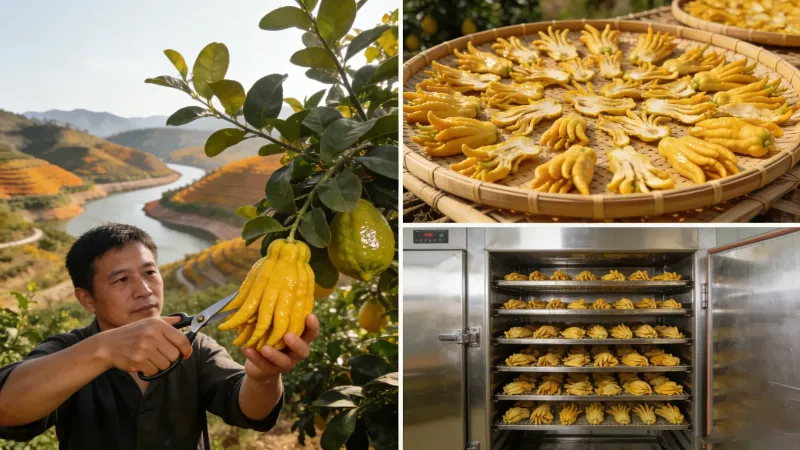
Scientific Alignment with Geography and Climate: Finger Citron is a subtropical plant that thrives in warm, humid, and sunny environments. The genuine producing areas are mostly located in hilly and river valley regions between 23–30 degrees north latitude, with an average annual temperature of 18–22°C, annual precipitation of 1500–2000 mm, and long frost-free periods. Fertile, loose, and well-drained slightly acidic sandy loam provides ideal conditions for root development. Ample sunlight and significant diurnal temperature variations facilitate the accumulation and transformation of active components such as volatile oils and flavonoids in the fruit.
Scientific Alignment with Geography and Climate: Finger Citron is a subtropical plant that thrives in warm, humid, and sunny environments. The genuine producing areas are mostly located in hilly and river valley regions between 23–30 degrees north latitude, with an average annual temperature of 18–22°C, annual precipitation of 1500–2000 mm, and long frost-free periods. Fertile, loose, and well-drained slightly acidic sandy loam provides ideal conditions for root development. Ample sunlight and significant diurnal temperature variations facilitate the accumulation and transformation of active components such as volatile oils and flavonoids in the fruit.
"Aroma-Preserving" Techniques in Harvesting and Processing: The fruits are harvested in stages during autumn when they transition from green to yellow and are not yet fully ripe. At this stage, the aroma is most intense, and the content of active components is high. After harvesting, traditional methods such as "sun-drying" or "low-temperature drying rooms" are used. Modern processing techniques widely employ "vacuum freeze-drying technology" or "40–50°C gradient circulating air drying technology," which maximize the retention of the fruit's natural shape, color, and rich aroma while preventing the decomposition and loss of active components due to high temperatures.
III. Quality
How to determine the quality of adaptogen bath soak?
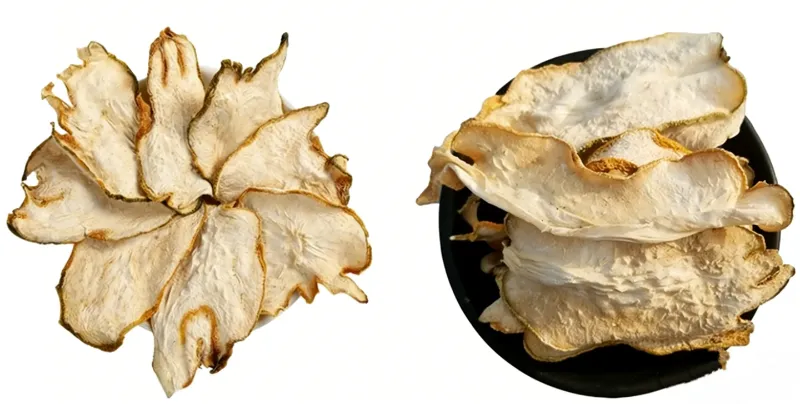
Premium Finger Citron: The fruit is sliced into thin, somewhat elliptical or ovoid pieces, often shriveled or curled. The slices are uniform in size and thickness, with the outer edge showing a yellowish-green rind and the flesh appearing pale yellowish-white, scattered with uneven oil glands. The overall texture is dry yet slightly elastic to the touch. It emits a rich, elegant, and long-lasting aromatic fragrance, carrying the fresh and sweet scent characteristic of citrus fruits, without any off-odors. The texture is flexible and not easily broken. When tasted, it is slightly sweet initially, followed by bitterness and a pungent aftertaste.
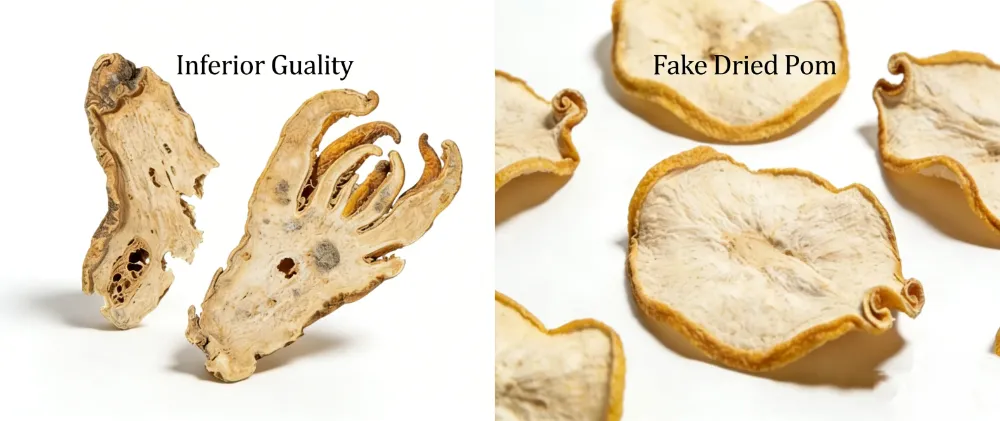
Ordinary/Inferior Finger Citron: The slices are uneven in thickness and often fragmented. The flesh may appear darkened, brownish, or grayish-white (possibly due to excessive sulfur fumigation, moisture exposure, or mold), with sparse or indistinct oil glands. The texture is dry, brittle, and hard, or damp and sticky. The aroma is faint or may carry musty, rancid, or smoky odors (resulting from improper drying). The texture is either hard, brittle, and easily crumbled, or soft and lacking resilience. The taste is bland or excessively bitter and astringent.
IV.Main Chemical Components
Volatile Oils (such as limonene and other terpenes): These form the main components of its fresh citrus aroma and serve as the core material basis for its effects in soothing the liver, regulating qi, exhibiting antibacterial activity, and modulating mood.
Flavonoids (such as hesperidin and naringin): These possess synergistic anti-inflammatory, antioxidant, and gastrointestinal smooth muscle-regulating effects, which are related to its function of "harmonizing the stomach and relieving pain."
Coumarins and Limonoids: These contribute to its bitter taste and characteristic aroma, and may be involved in its expectorant, antitussive, and other related activities.
V.Core Efficacy
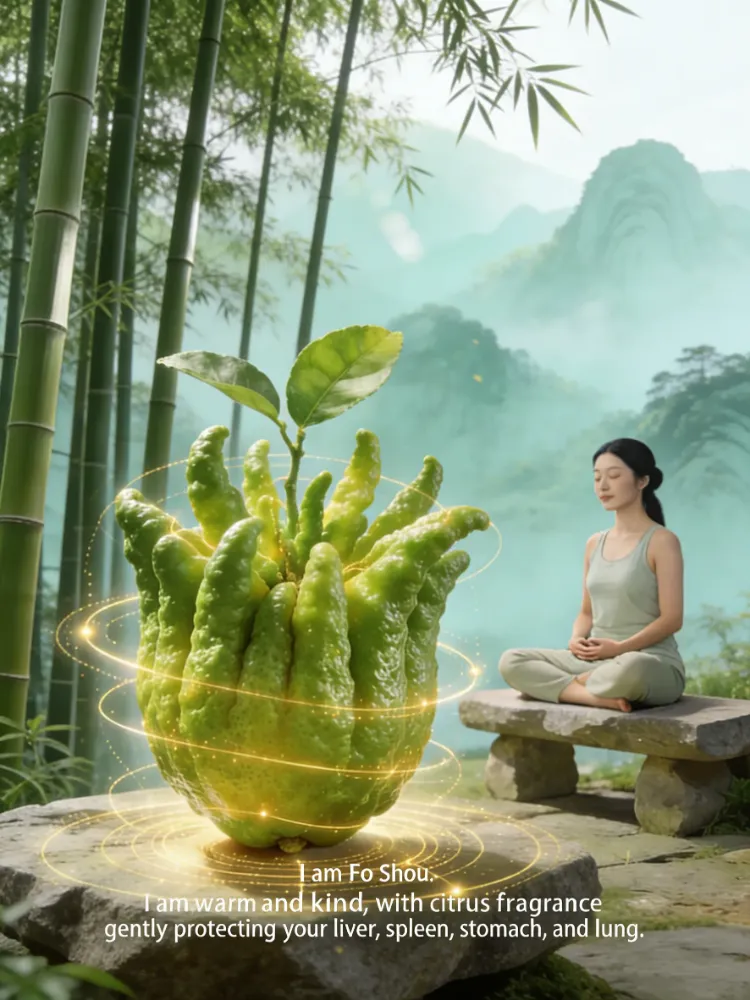
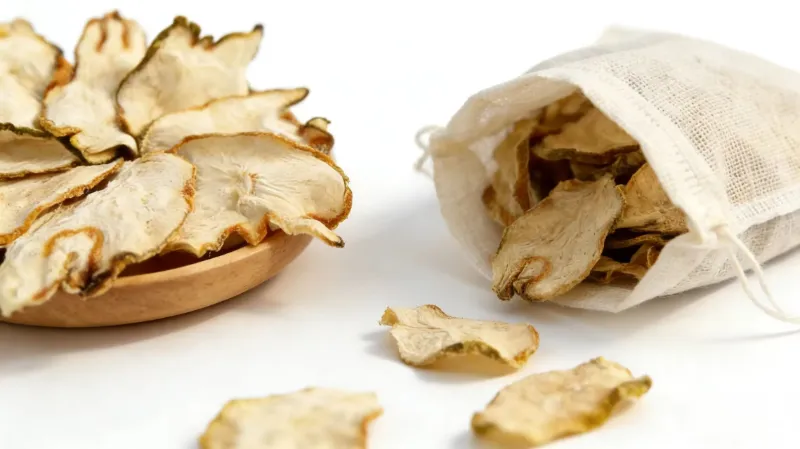
Finger Citron is warm in nature, with pungent, bitter, and sour tastes. It enters the liver, spleen, stomach, and lung meridians. Its core functions are to soothe the liver and regulate qi, harmonize the stomach and relieve pain, and dry dampness and resolve phlegm. With its penetrating aroma, it promotes the flow of qi without the drawback of drying and damaging yin, earning it the reputation of being an excellent herb that "regulates qi without depleting qi." When used externally in bath sachets[Shop Fo Shou Herbal Bath Tea Bag], its fresh fragrance and active components, aided by the heat and moisture of the water along with steam inhalation, exert a unique "mind-body harmonizing" effect.
Soothes the Liver and Relieves Depression, Alleviates Emotional Tension:
It effectively regulates symptoms such as chest and flank distension, restlessness, irritability, anxiety, and depression caused by liver qi stagnation and emotional discomfort. During bathing, the elegant and fragrant volatile aromatic molecules of Finger Citron are inhaled through the respiratory tract and directly act on the limbic system of the brain, quickly soothing the nerves and relaxing the mind. At the same time, its "qi-regulating" components are absorbed transdermally, helping to unblock physical qi stagnation caused by emotional tension, promoting a sense of pleasure and relaxation for both the mind and body.
Harmonizes the Stomach and Regulates Qi, Improves Epigastric and Abdominal Distension:
It harmonizes the qi dynamics of the spleen and stomach, addressing epigastric and abdominal distension, pain, belching, and poor appetite caused by spleen and stomach qi stagnation. The warmth of the bath relaxes the abdominal muscles. The active components of Finger Citron are locally absorbed through the skin of the waist and abdomen, gently regulating gastrointestinal motility and alleviating abdominal discomfort and bloating caused by qi stagnation or indigestion.
Aromatic Damp-Resolving, Cleanses and Refreshes the Spirit:
Its aromatic nature can dispel foulness and resolve dampness, freshen the air, and uplift the spirit. When used in herbal baths, the fragrance of Finger Citron creates a fresh and pleasant bathing environment. Its components also possess certain antibacterial properties, aiding in gentle skin cleansing. After bathing, one feels refreshed both physically and mentally, with a revitalized spirit, making it particularly suitable for relieving fatigue and alleviating stress.
FAQ
1.Can I use cold water and take cold bath while using adaptogen bath soak ?
Adaptogen bath soak or Chinese herbal bath soak should not bath by using cold water, as cold water can hinder the release of active compounds from the herbs and cause pores and blood vessels to constrict sharply, reducing the effectiveness of the herbs. Using cold water counteract the intended healing and health goal of Adaptogen bath soak or Chinese herbal bath soak.
2.Is there a universal adaptogen recipe suitable for whole family bath?
Of course, the family bath formula can be chosen as long as it does not conflict with one's own constitution (contradicts).
The following herbal bath tea bag and bath soak products are recommended for family use or shared baths.
Cozy Recovery Bath soak; Deep Slumber batch Soak; Root & Revive Soak