I.Base Origin Information:
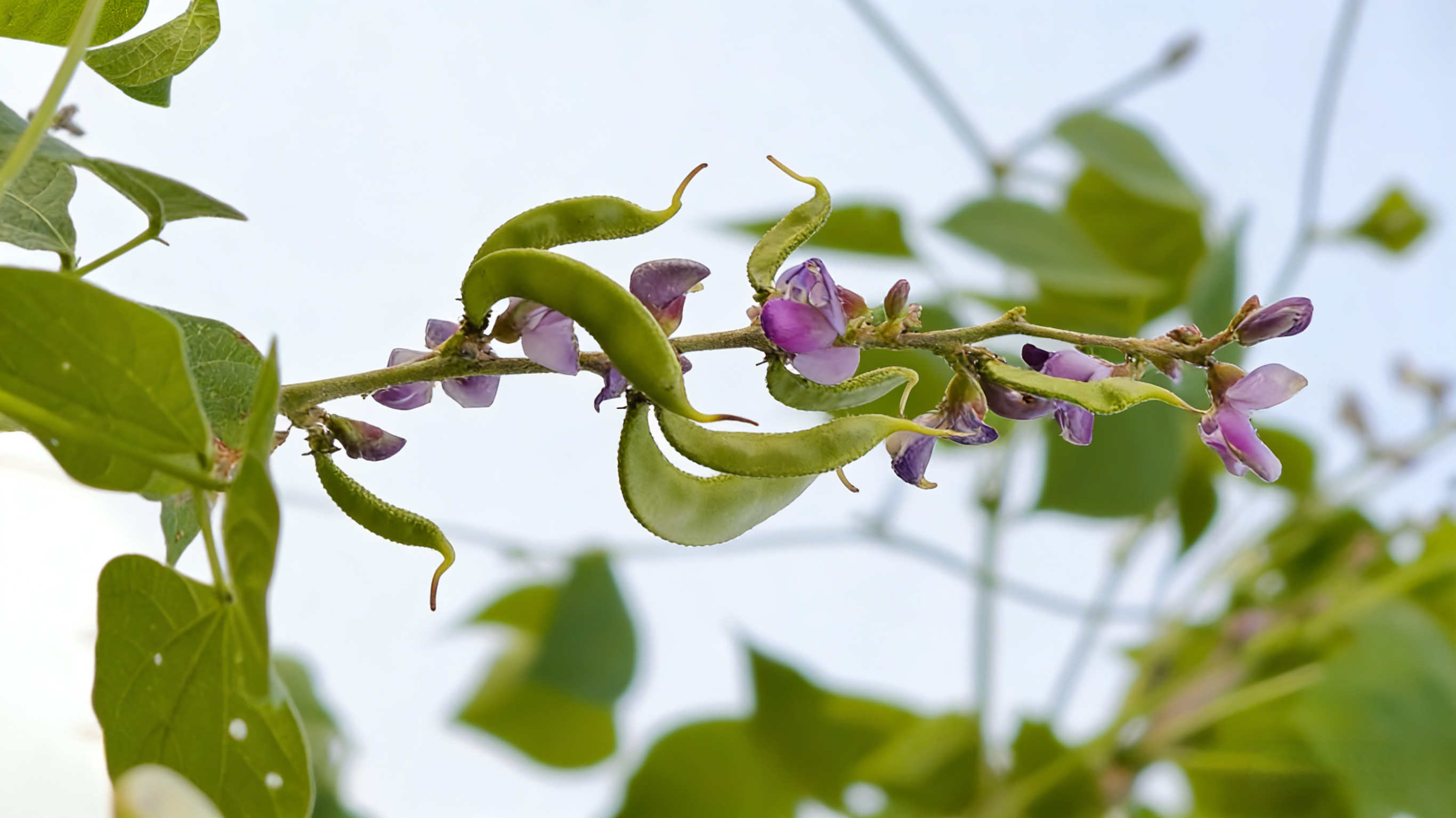
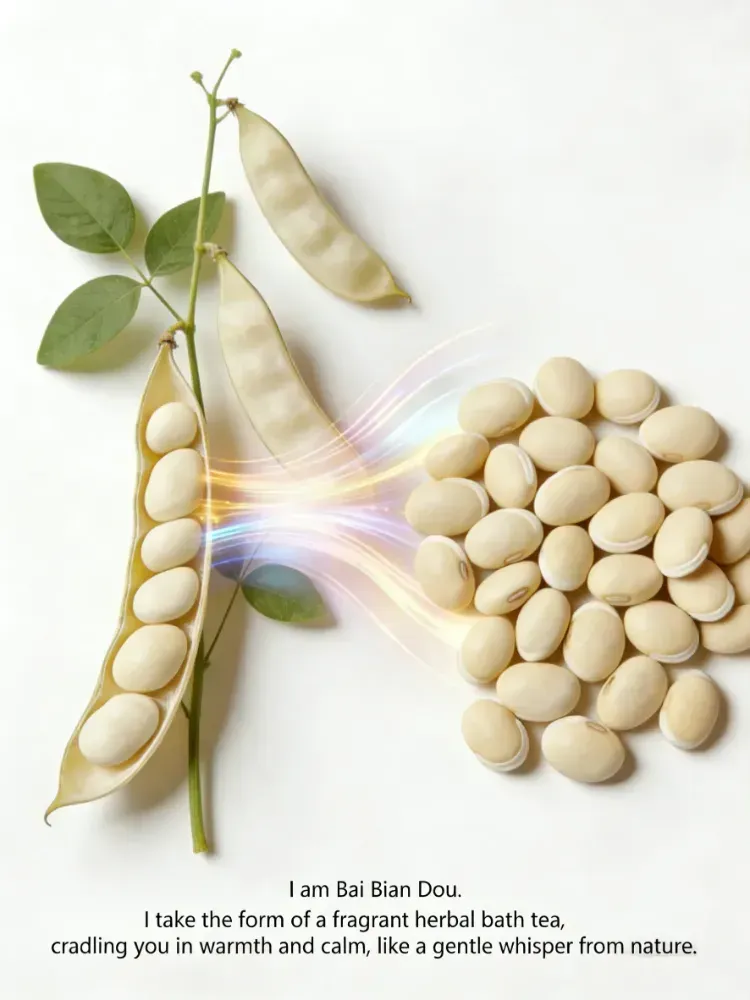
White Hyacinth Bean, with the Latin name LABLAB SEMEN ALBUM, is the dried mature seed of the legume plant Dolichos lablab L. This seemingly ordinary white bean is a classic example of a food-medicine dual-use substance in traditional Chinese medicine— a principle that shapes the heart of our work. Learn more about our journey and mission on About Us. As early as the Mingyi Bielu (Records of Famous Physicians), it was classified as a medium-grade medicinal herb and has long been praised for its ability to "harmonize the middle, direct qi downward, resolve dampness, and strengthen the spleen." It serves not only as a common and delicious ingredient on the dining table but also as an excellent spleen-tonifying medicine in the medicine cabinet. With its mild medicinal properties and ability to tonify without causing greasiness, it is particularly suitable for consumption during summer and autumn or for individuals with spleen deficiency and dampness predominance.
II. Authentic Production Area:
White Hyacinth Bean is widely cultivated across China, with the highest quality produced in areas such as Anguo in Hebei, Bozhou in Anhui, Wuzhi in Henan, and Nantong in Jiangsu. Leveraging their respective geographical advantages, these regions have developed unique cultivation systems.
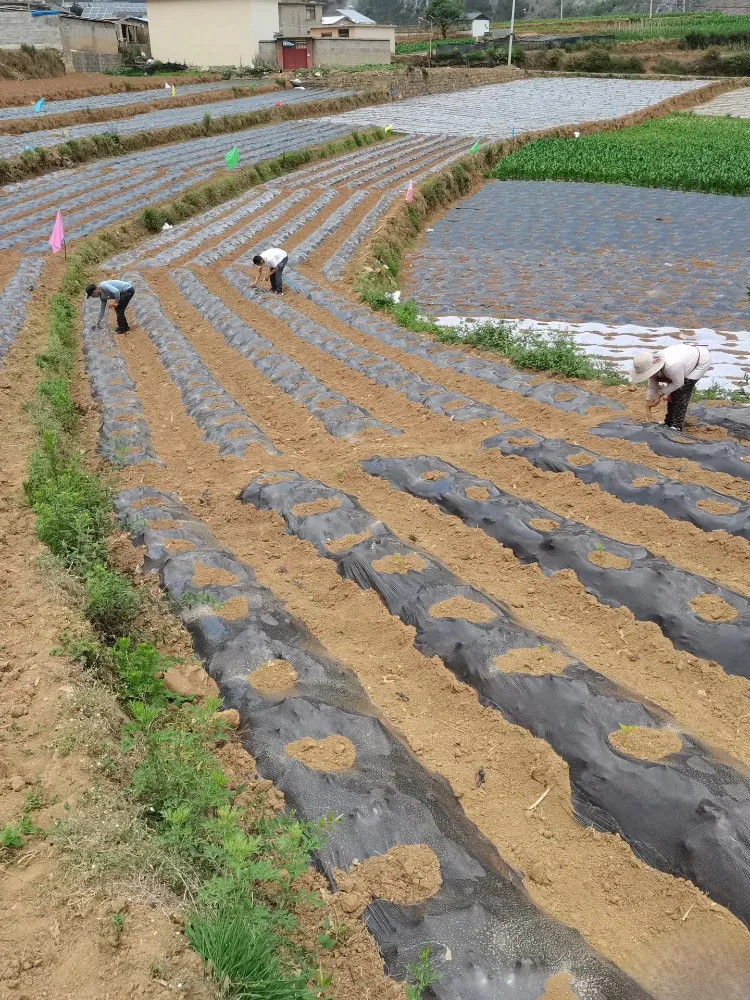
Adaptability to Climate and Soil: White Hyacinth Bean thrives in warm and humid climates, tolerates drought but is susceptible to waterlogging. Its genuine producing regions are mostly located in transitional zones between temperate and subtropical climates, with an average annual temperature of 15–20°C, long frost-free periods, and annual precipitation of 800–1,200 mm. The soil is ideally well-drained sandy loam or alluvial soil with a pH of 6.0–5. Such conditions ensure sufficient photosynthesis for starch and protein accumulation while preventing pod mold caused by excessive rainfall.
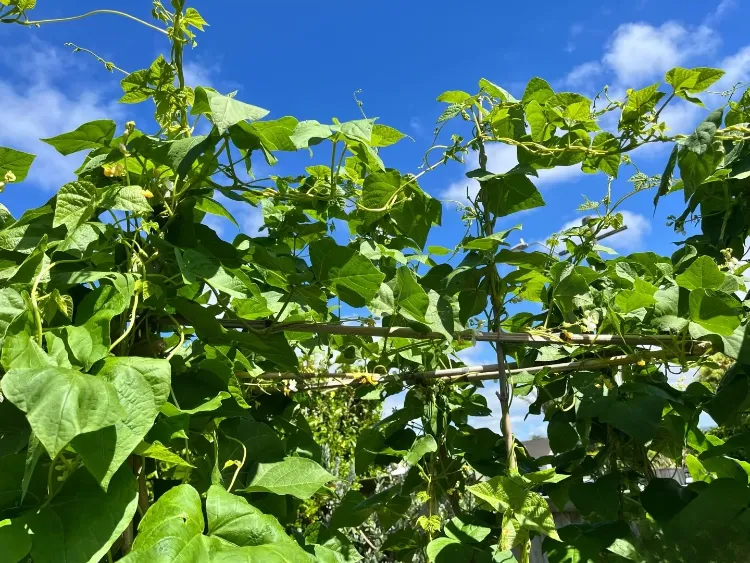
Scientific Intercropping and Relay Cropping Systems: Producing regions commonly adopt "legume-grain" or "legume-medicinal plant" rotation and intercropping models, such as interplanting with corn, wheat, or chrysanthemums. This approach not only maximizes light, heat, and land resources but also improves soil fertility through nitrogen fixation by leguminous plants and reduces pest and disease incidence. Key cultivation techniques include timely sowing (spring or summer planting), appropriate planting density, and increased application of phosphorus and potassium fertilizers during the flowering stage to promote plump seeds.

Quality Control in Harvesting and Processing: The beans are harvested in autumn when the pods turn yellow and the seeds are fully plump. See how we uphold excellence from farm to product.Traditionally, a "three-stage drying method" is employed: first, sun-drying the pods until semi-dry, then threshing, and finally drying the beans at a low temperature of 40–50°C until the moisture content ≤12%. Modern processing utilizes gradient temperature-controlled drying technology: initially drying rapidly at 45°C to remove surface moisture, followed by slow drying at 35° This method maximizes the retention of seed integrity and nutritional components while preventing wrinkling and cracking of the seed coat.
III. Quality
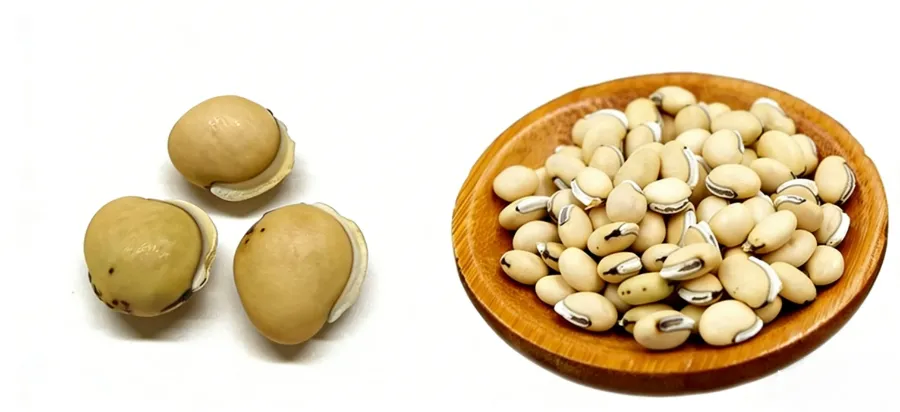
This product is a unique variety of white hyacinth bean native to China, with confirmed medicinal value verified through clinical efficacy studies. Imported hyacinth beans do not possess the aforementioned "black rim" characteristics and have virtually no medicinal value.
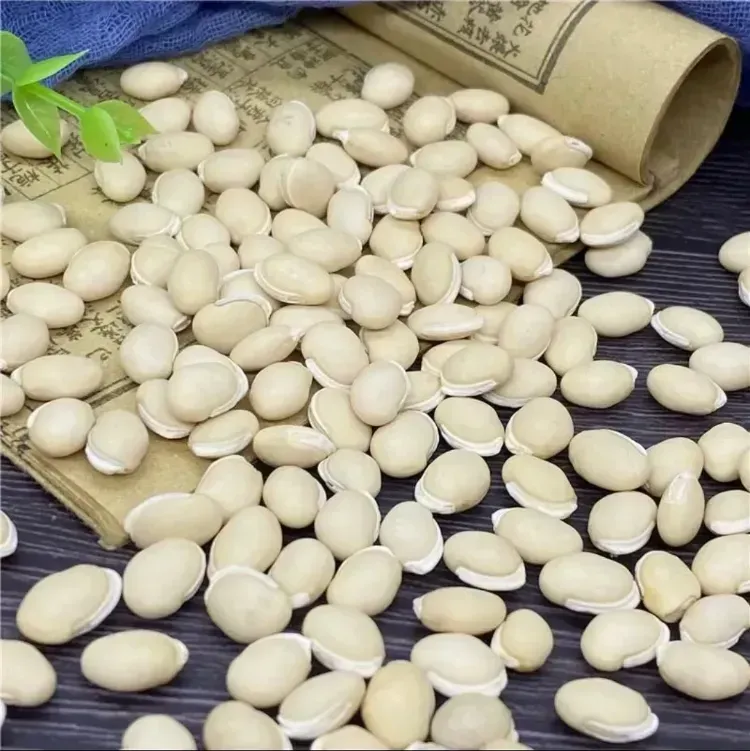
High-Quality Hyacinth Bean: T The seeds are large and plump, oblate-elliptical or oblate-ovoid in shape, measuring 8–13 mm in length and 6–9 mm in width. The surface is pale yellowish-white to pale yellow, bearing a distinct "black eyebrow" marking, characterized by black spots or lines. It is smooth with a slight luster, and one side of the margin features a prominent white, ridge-like caruncle (the "white eyebrow"). When the seed coat is peeled away, a clear black line is visible. The texture is hard and not easily broken; the seed coat is thin and brittle, while the cotyledons are thick and plump, yellowish-white in color. The odor is faint, the taste is bland, and when chewed, it has a characteristic beany flavor. When soaked in warm water, the seeds slowly absorb water and swell, the seed coat does not readily detach, and the soaking liquid remains clear.Explore our premium selection of herbal bath soak.
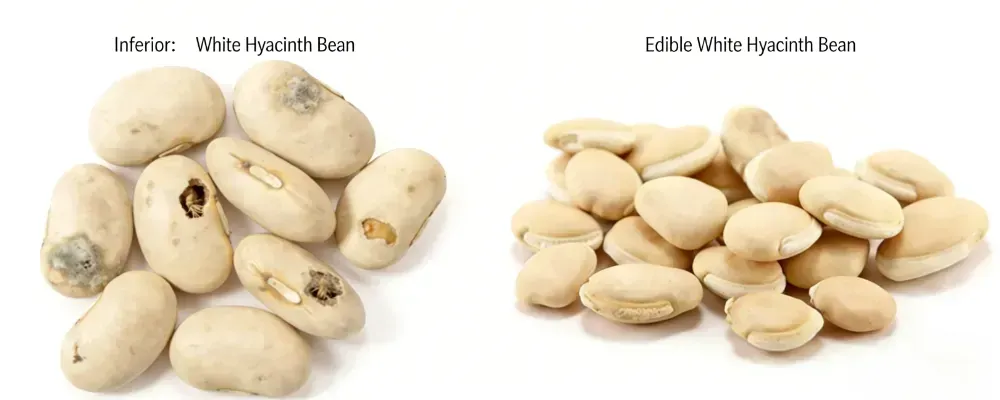
Ordinary/Inferior White Hyacinth Bean: The beans are small, shriveled, uneven in size, and irregular in shape. The surface appears dull or grayish, with an unnaturally uniform, pale, or stark white color—resembling bleached beans—and lacks the natural luster, giving it a lifeless appearance. The characteristic "white eyebrow" (hilum) is faint or absent, and the beans often show signs of insect damage or mold spots. The texture is soft and easily crumbled, with thin, withered cotyledons. They may also carry off-odors such as a musty or rancid smell. After soaking, the seed coat detaches easily, the water becomes cloudy, and a significant amount of sediment or impurities may settle at the bottom.
IV. Main Chemical Components
1.High-Quality Plant Proteins and Amino Acids: These provide the fundamental building blocks for constructing and repairing bodily tissues, forming the material basis for its spleen-tonifying effects.
2.Polysaccharide Compounds: These possess immune-modulating properties, protective effects on the gastrointestinal mucosa, and mild moisturizing functions.
3.Alkaloids and Glycosides: These may contribute to its antibacterial, anti-inflammatory, and intestinal function-regulating activities.
4.Abundant Vitamins and Minerals: Such as B vitamins, potassium, magnesium, and zinc, which participate in various metabolic processes in the body and support its "harmonizing the middle" efficacy.
These key constituents define the strength of our White Hyacinth Bean range. See how they come together in our herbal bath soak.
V.Core Efficacy
White Hyacinth Bean is slightly warm in nature, sweet in taste, and enters the spleen and stomach meridians. Its core functions are to strengthen the spleen, resolve dampness, harmonize the middle, and relieve summerheat. As a food-medicine dual-use substance, its medicinal action is mild, neither drying nor cloying, making it particularly suitable for daily health regulation. When used externally in bath sachets, it gently exerts its spleen-strengthening and dampness-resolving effects, especially appropriate for summer and autumn seasons and for individuals with spleen deficiency and dampness accumulation.
Strengthens the Spleen and Boosts Qi, Alleviates Fatigue and Lethargy:
For poor appetite, indigestion, limb weakness, and sallow complexion caused by spleen qi deficiency, White Hyacinth Bean provides gentle tonification and enhances the spleen and stomach's transformative and transporting functions. According to the TCM theory that "the spleen governs the muscles and limbs," soaking in a bath allows nutrients such as polysaccharides and proteins from White Hyacinth Bean to be absorbed through the skin, gently nourishing the skin and muscles, thereby indirectly supporting spleen function. Experience this gentle care in our herbal bath soak.The hot bath itself promotes blood circulation, improves qi and blood flow hindered by spleen deficiency, and helps relieve bodily fatigue.
Resolves Dampness and Harmonizes the Middle, Relieves Summerheat-Dampness Discomfort:
It offers beneficial regulation for symptoms such as chest tightness, abdominal distension, nausea, vomiting, and loose stools caused by summerheat-dampness. During bathing, pores open, allowing dampness to be expelled from the body surface. The dampness-resolving components of White Hyacinth Bean are absorbed transdermally, gently regulating the body's water metabolism. Combined with the diaphoretic effect of hot water, this helps eliminate retained internal dampness and alleviates symptoms like heaviness in the head and body, as well as poor appetite, caused by dampness obstruction.
Gentle Nourishment and Moisturization for Dry Skin:
Its rich nutritional components provide gentle nourishment for the skin, making it suitable for individuals with dry, rough skin. Proteins, polysaccharides, and lipid-based compounds in White Hyacinth Bean are released in hot water, forming a mild protective film on the skin's surface. This helps lock in moisture, alleviates skin dryness and itching, and leaves the skin feeling smooth and soft after bathing.